Taste, Not a Number: What Australia’s Tobacco Reforms Changed for Smokers
Australia's reforms mean 'strength' now signals taste, not safety. Learn to pick blends, buy packs online, or get quitting support.
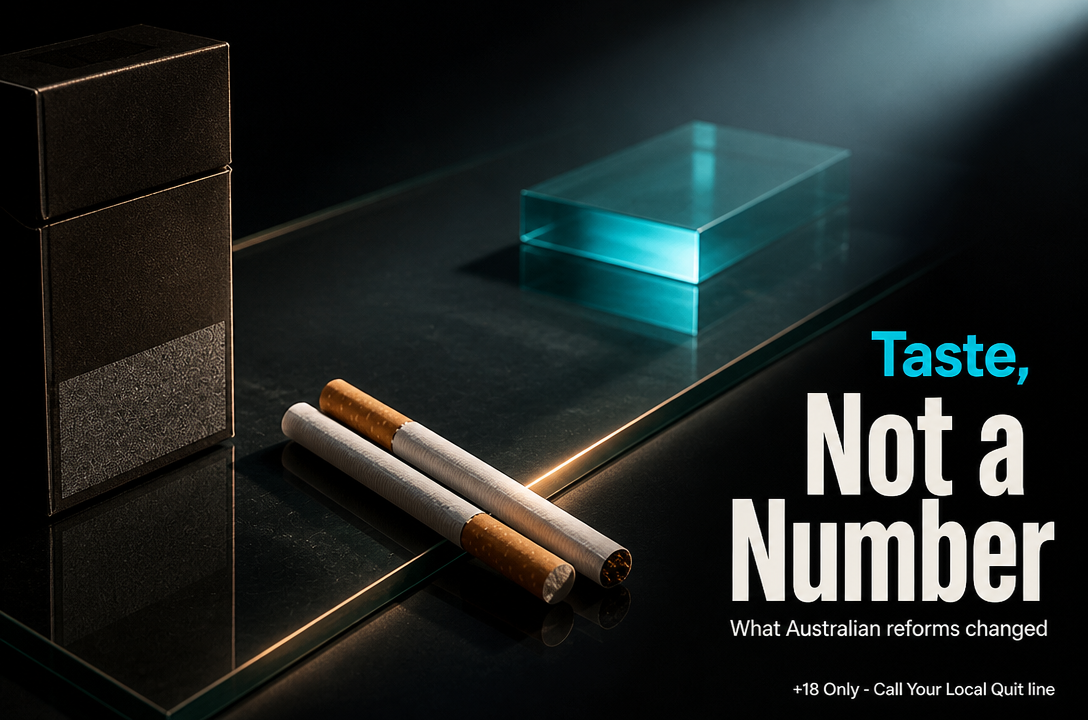
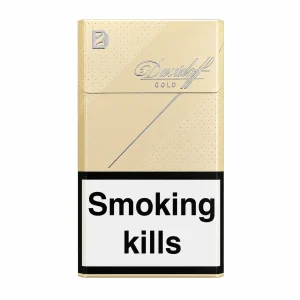
Quitting reduces your risk of cancer.
+18 Only – Call Your Local Quitline
BEST SELLING, Cigarettes, Davidoff Cigarettes, New Arrival, TOP TRENDING
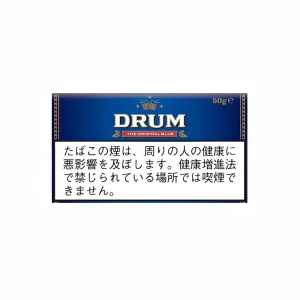
Quitting reduces your risk of cancer.
+18 Only – Call Your Local Quitline
BEST SELLING, Drum Blue Tobacco, Tobacco, TOP TRENDING
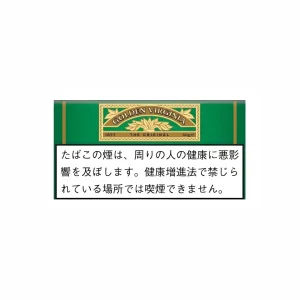
Quitting reduces your risk of cancer.
+18 Only – Call Your Local Quitline
BEST SELLING, Golden Virginia Tobacco, Tobacco, TOP TRENDING
Ask a Question
Why "Strength" No Longer Means What It Used To
There is no such thing as a "safer cigarette," and "strength" has never been a meaningful safety measure to begin with. Machine-measured tar and nicotine ratings can change when a smoker compensates by drawing harder or covering ventilation holes. As of the 2024 reforms, Australian packs now carry no traditional strength labels, and if you want to cut health risk, the only real move is quitting.
TL;DR — Cigarette strength is no longer signalled by tar bands, pack colours, or descriptors like "light" or "mild" in Australia; all such terms are now banned. Machine-measured tar and nicotine numbers are unreliable indicators of actual inhaled dose because humans compensate by smoking differently, making "low-yield" claims misleading. Australia's 2024 tobacco reforms standardised plain packaging, removed flavour descriptors, and pushed smokers to judge strength on taste alone. Choosing cigarettes now depends on taste and blend description, not on outdated labels, and quitting remains the only way to significantly reduce health risk.
How Cigarette Strength Used to Be Signalled
Before the reforms, Australian packs leaned heavily on tar bands to suggest strength. Cigarettes were commonly grouped by numbers like 4mg, 8mg, 12mg, and 16mg, with pack colour and variant naming used as shorthand for how "heavy" a smoke would feel.
- Tar bands were printed on many packs as shorthand for strength — with lower numbers implying gentler smoking.
- Pack colours such as gold, silver, and blue became consumer code for mild, light, and full-strength versions of the same brand.
- Descriptor names like "light" and "mild" were printed directly on packs to reinforce the same idea.
That system collapsed once regulators stepped in. Since 2006, those terms have been banned from cigarette packaging in Australia, and pack colours were standardised, closing off the last visual cues smokers used to judge strength at a glance.
Why Machine-Measured Tar and Nicotine Numbers Mislead Smokers
Machine testing measures how much tar and nicotine a smoking machine extracts under standardised conditions. It does not measure what a real human smoker inhales. The gap between the two numbers is where most of the "light cigarette" myth was built.
Filters or air-diluted holes used in modern cigarettes are known to let smokers adjust their puffing style. A smoker drawing harder on a "light" cigarette can take in just as much tar and nicotine as someone smoking a "regular". This is one of the reasons public health bodies describe the numbers as misleading. The Cancer Council has stated plainly that there is no evidence that low-tar or light cigarettes reduce cancer risk.
What Changed Under Australia's 2024 to 2026 Tobacco Reforms
Australia's tobacco framework tightened considerably in this window, and the changes will go beyond a colour swap on the pack. The Public Health (Tobacco and Other Products) Act 2023 set the legal foundation and the 2024 reforms came into force for people who smoke tobacco.
Key reforms include:
- · A single, standardised drab dark brown pack colour across all brands, detailed in the government's packaging requirements guide.
- · Standardised pack and stick dimensions, along with mandatory quantities per pack.
- · Bans on flavours including menthol, rum, and clove, plus a ban on flavour-delivery accessories like crush-ball filters.
- · New on-stick health messages printed directly onto individual cigarettes, not just the outer pack.
The practical result is that nearly every cue smokers once used to guess at strength (colour, flavour variant, descriptor) has been legislated out of existence. What's left is genuinely just tobacco blend taste.
How to Choose a Cigarette in Australia Today
With the old signals gone, choosing a product comes down to trial and personal preference rather than reading a pack for clues. Here's a practical approach:
- Start with blend type, not a strength claim. Full-flavour, classic blend, and everyday blend are meaningful descriptors.
- Buy a small pack first if you're trying something new, rather than committing to a carton on a guess.
- Check the health warning insert and stick to mandatory formats that meet current packaging standards.
- Ask about stock dates when buying online or in person, since retailers are often clearing pre-compliance stock and older packaging may still be rotating through shelves.
Pro tip: Switching to a milder tasting blend can change how harsh a cigarette feels on your throat, but it does not change the health risk. Treat blend choice as a comfort decision, never a safety one.
Comparing Full-Flavour and Smooth-Blend Cigarettes by Taste
Cigarette Central stocks a spread of blends so Australian smokers can pick by preference rather than strength labels. Some of the differences relate to taste, not to health risk, to flavour and mouthfeel.
- Manchester Red Cigarettes (20s x 10 packs) — a bold, full-flavour classic blend suited to smokers who want a robust taste at a budget-friendly price point.
- Dunhill Red England Cigarettes (20s x 10 packs) — a full-flavour British blend for smokers after a recognised, classic profile without paying a premium markup.
- Manchester Light Cigarettes (20s x 10 packs) — a smoother, milder everyday blend for those who find classic blends too heavy on the throat.
A Real-World Choice Between a "Strong" and a "Light" Pack
One customer told our support team they'd smoked a bold, full-flavour blend for years but wanted to try something softer after a chest cold left their throat sensitive. They tried a milder everyday blend for a fortnight, decided the throat hit was gentler but the flavour felt thinner, and went back to their original full-flavour blend within the month. Their conclusion: the switch changed how the smoke felt on the throat and how it affected the taste and mouthfeel, but it did not change their health risk. Quitting and quitting alone remains the place to start.
Buying Cigarettes in Cities and States Across Australia
Whether you're in Sydney, Melbourne, Brisbane, Perth, Adelaide, or a regional town in Queensland or Tasmania, every legal pack must now carry standardised drab brown packaging, mandatory health warnings, and on-stick messaging under the national reforms. Brands like Manchester and Dunhill Red are sold under the same compliance rules nationwide, so a pack in one state should look the same in another.
Retailers stock older stock, ask when it was received. Some legacy packaging is still working through supply chains as stores update to the new requirements.
Pack compliance requirements
- Standard pack — Dark brown, standardised
- Health warnings — Mandatory warnings on every legal pack
- On-stick messaging — Printed on individual cigarettes
- Nationwide rules — Same compliance and warnings across states
Why We Built This Guide
This guide exists because too many smokers still shop by outdated colour or descriptor cues that no longer mean anything under Australian law. If you're considering cutting down or quitting, Quitline and the National Occasional Assistance Programme are free and confidential, and speaking with a GP is always worth doing first.
Shop Cheap Cigarettes Online With Fast, Discreet Delivery
This platform offers an alternative to visiting multiple tobacconists for stock and pricing. It provides access to a wide catalogue of cigarette packs and rolling tobacco, with delivery options that arrive within 2 to 5 business days in plain, discreet packaging. It makes fast delivery more than waiting around.
Express Shipping is available for $15 on top of your order. Whether you're after a bold, classic cigarette like Manchester Red, a British staple like Dunhill Red, or a smoother everyday pick like Manchester Light, the store offers a straightforward way to order online. Browse the full cigarette range and place your order today.
This article is general information, not a substitute for advice from a qualified doctor. Consult a qualified healthcare professional about your own circumstances before acting on anything here.
Frequently Asked Questions
What are the strength levels of cigarettes in Australia?
Older packaging used tar bands like 4mg, 8mg, 12mg and 16mg, alongside pack colours and terms like "light" and "mild" to signal strength. Those descriptors have been banned since 2005 following ACCC action, and standardised packaging has since removed colour as a strength cue too.
What are the strongest cigarettes available in Australia?
There's no official strength rating system left in Australia, so "strongest" now just describes a bolder, full-flavour blend rather than a higher-risk product. Blends marketed as full-flavour or bold classic, such as Manchester Red or Dunhill Red, tend to deliver a heavier taste and throat hit than smoother everyday blends.
What did the different pack colours used to mean?
Gold, silver, and blue variants were consumer shorthand for mild, light, and full-strength versions of the same brand before reforms. Since the rollout of standardised drab brown packaging under the 2023 packaging requirements, that colour coding no longer exists on any legally sold pack.
Which cigarette brand in Australia has the lowest nicotine content?
There's no reliable public ranking of nicotine content by brand, because machine-measured yields don't reflect what a smoker actually inhales due to compensatory smoking. Cancer Council Australia confirms that no cigarettes, regardless of its listed yield, carries less cancer risk than another.
Can I still buy cheap cigarettes online in Australia?
Yes. Cigarette Central sells a wide range of compliant brands at discounted prices with express shipping. Current prices for individual products are listed on the cigarette collection page rather than here, since deals rotate regularly.
Cigarette Central provides content for general information only and is not professional advice. Some suitable for 18+ Only. Call Your Local Quit Line For Help.
18+ only. Quitting improves your health. Call Quitline 137 848.